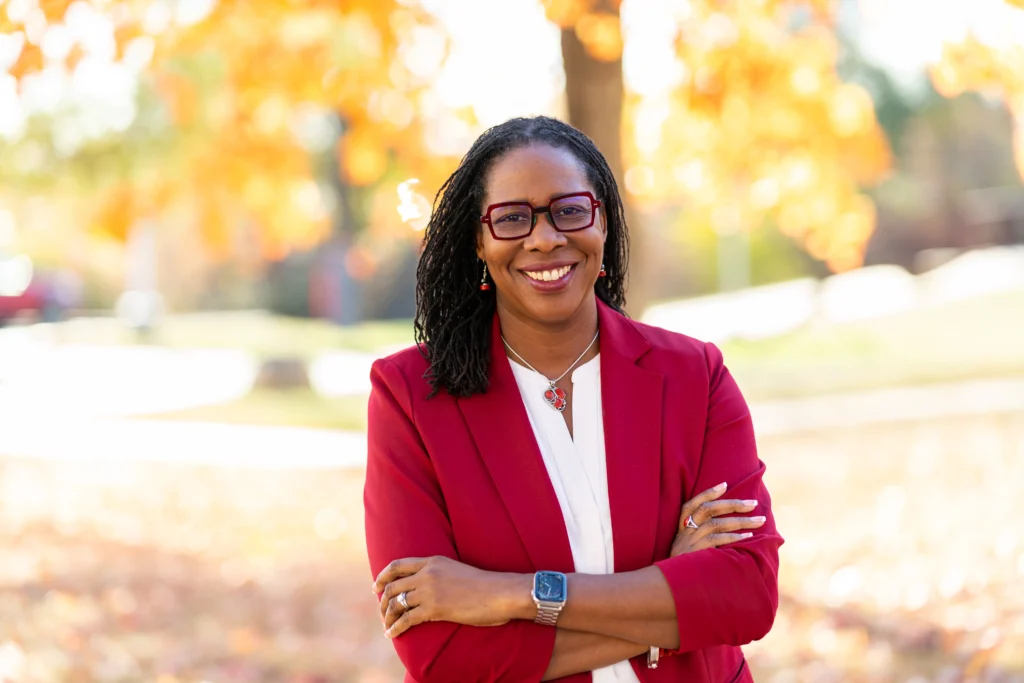
Leadership is not a destination; it is a journey of growth, learning, and service. My path from English professor to provost has been shaped by a deep belief in the transformative power of education and the responsibility institutions have to expand opportunity, strengthen communities, and help individuals realize their fullest potential. Along the way, I have learned that meaningful change happens when purpose provides direction, passion sustains effort, partnership creates momentum, and possibility inspires us to imagine a better future. This is the story of the experiences, values, and lessons that continue to shape my leadership today.
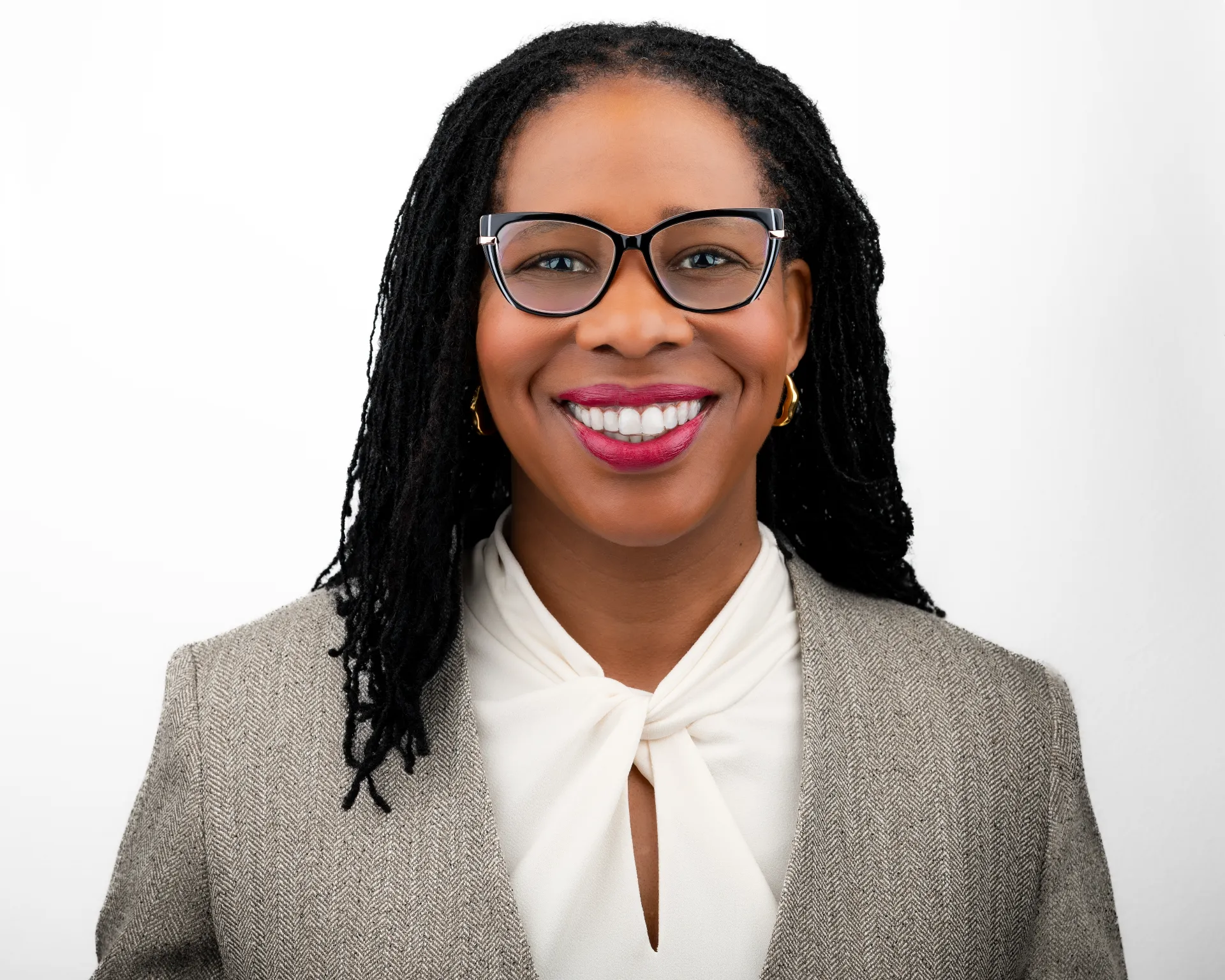
My leadership journey began long before I held a leadership title.
Early in my career, I was invited to lead a creative writing workshop for high school students in New York City. At the time, I viewed it simply as a chance to teach. Looking back, it was my first experience helping others see possibilities they could not yet fully see for themselves. It revealed something that has remained at the center of my work ever since: education has the power to transform lives when people are given opportunity, support, and a reason to believe in their own potential.
That conviction led me into the classroom.
As an English professor, I spent a decade helping students develop their voices, think critically, and engage with new ideas. The experience taught me that transformation rarely happens because information is delivered. It happens when people gain confidence, discover their strengths, and begin to see themselves differently. Those years shaped not only my identity as an educator, but also my understanding of leadership. Both teaching and leadership involve helping people move from where they are to where they are capable of being.
As my career progressed, I moved into roles as a faculty leader, coordinator, associate dean, dean, and eventually executive leader. Each step expanded my perspective from individual student experiences to the systems that shape those experiences. I became increasingly focused on questions of student success, institutional effectiveness, and organizational change.
At Passaic County Community College, I helped lead developmental education redesign and student support initiatives. At the Community College of Philadelphia, I served as Dean of Liberal Studies, leading efforts related to student learning, program innovation, developmental education reform, and Guided Pathways implementation. These experiences reinforced a lesson that continues to guide my leadership: meaningful change requires both vision and execution. Institutions must be willing to examine assumptions, use evidence to guide decisions, and redesign systems when they no longer serve students effectively.
Today, as Vice President for Academic and Student Affairs and Provost at Montgomery County Community College, I have the privilege of helping shape institutional strategy while remaining grounded in the mission that first attracted me to higher education. My work spans academic affairs, student affairs, workforce development, community partnerships, and institutional transformation. While the scope has expanded, the purpose remains the same: creating opportunities for students to learn, grow, and achieve their goals.
As a first-generation college student, that purpose is deeply personal. I understand firsthand how a single educational opportunity can alter the trajectory of a life. That experience continues to inform my commitment to expanding access while ensuring that students are supported through completion, transfer, employment, and long-term success.
Throughout my career, I have been drawn to the community college mission because of its unique ability to create impact at scale. Community colleges sit at the intersection of education, workforce development, and community advancement. When they are at their best, they become engines of economic mobility, opportunity, and transformation.
I believe higher education is entering a period that demands both courage and imagination. Demographic shifts, technological change, and evolving workforce needs require institutions to adapt while remaining firmly rooted in their mission. The work that inspires me most is helping colleges evolve to meet these challenges while preserving the transformative power that makes higher education so important.
My journey from professor to provost has taught me that leadership is ultimately about stewardship. It is about creating the conditions for people and institutions to thrive, helping others see what is possible, and building the pathways that allow them to get there. That belief continues to guide my work today and remains at the heart of the leader I strive to be.




As Chief Academic Officer, Dr. Sweet provides leadership for academic affairs, student affairs, workforce development, educational effectiveness, academic innovation, and strategic institutional initiatives. Her leadership has advanced student success through participation in the Aspen Institute’s Unlocking Opportunity Network, expanded dual enrollment opportunities, strengthened transfer and workforce pathways, and guided successful institutional accreditation efforts.
She has also led the development of new healthcare-focused academic and workforce programs, helping address regional workforce needs while increasing enrollment in key health career pathways, including Nursing and Dental Hygiene Assistant. Through strategic partnerships and a commitment to innovation, her work continues to strengthen the College’s role as an engine of economic mobility and community impact.
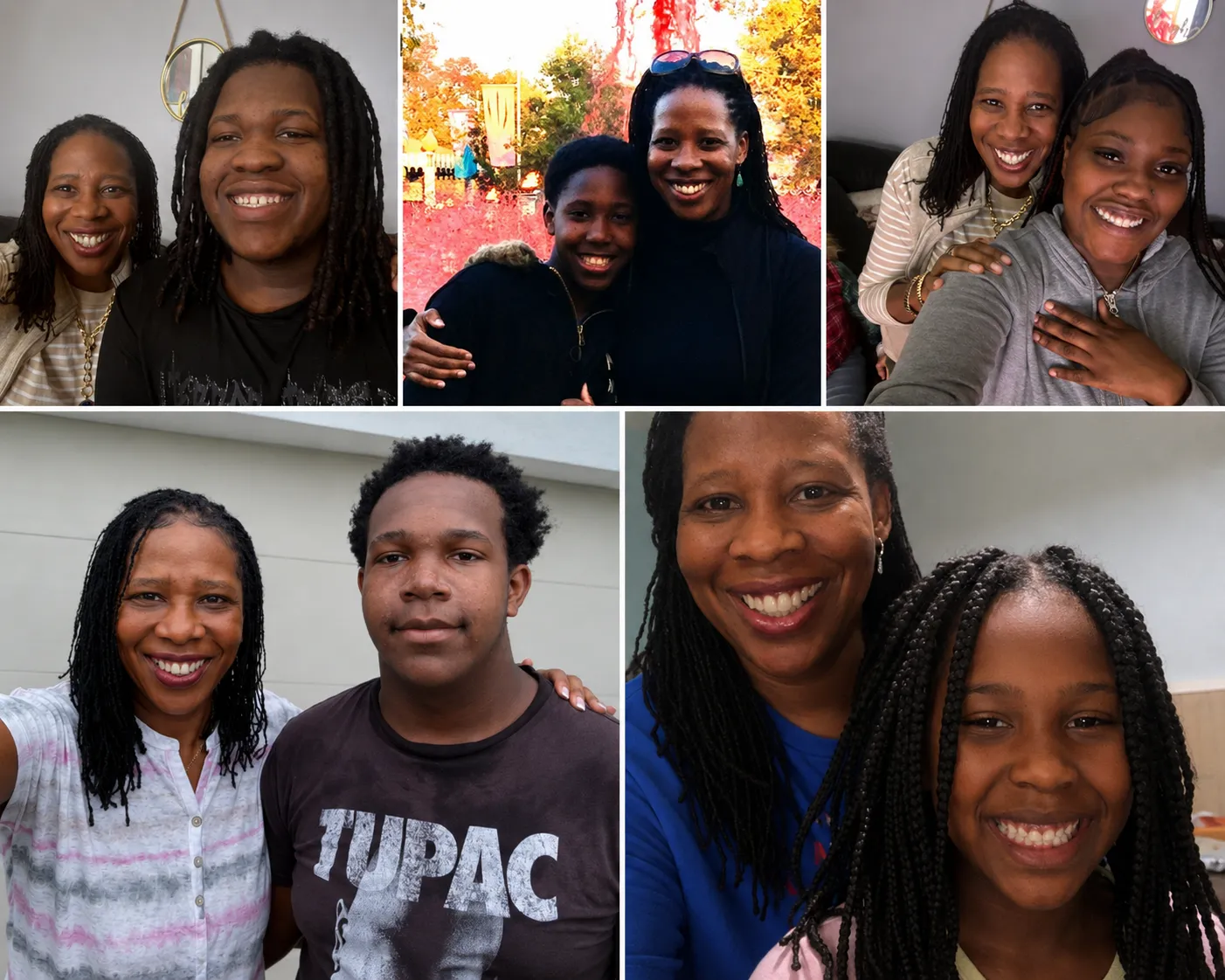
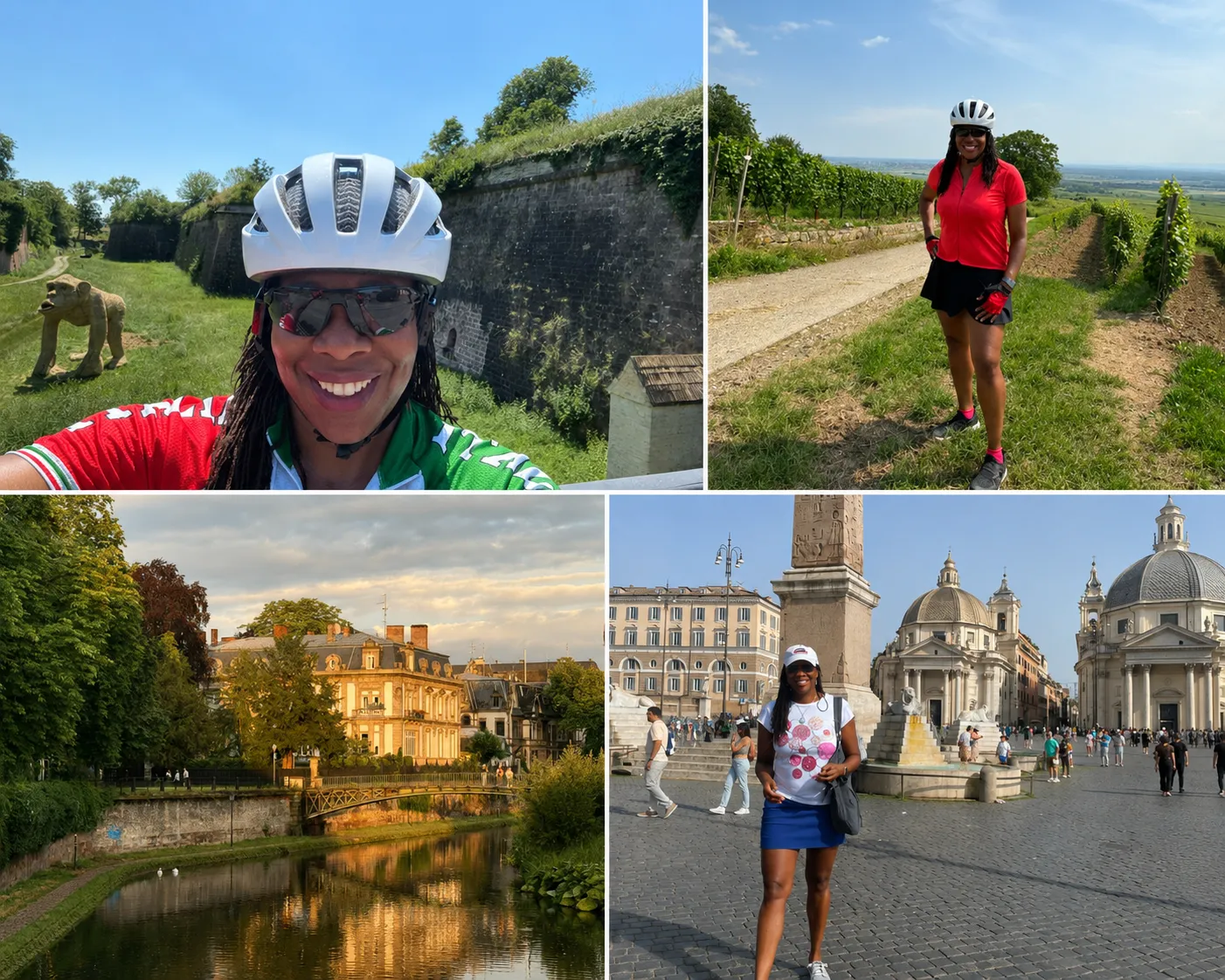
Long miles on the road and trail have taught me patience, resilience, and the quiet discipline required to navigate complexity. Some of my most meaningful rides have taken me through Italy, France, South Africa, Germany, and across the United States alongside my partner, Tracy. Cycling reminds me that meaningful progress comes through steady effort, adaptability, and a willingness to keep moving forward.

As a former English professor, reading remains one of the primary ways I explore new ideas, perspectives, and possibilities. Whether through literature, leadership, or speculative fiction, books help me cultivate empathy, challenge assumptions, and better understand the human experience. They remind me that leadership begins with curiosity.
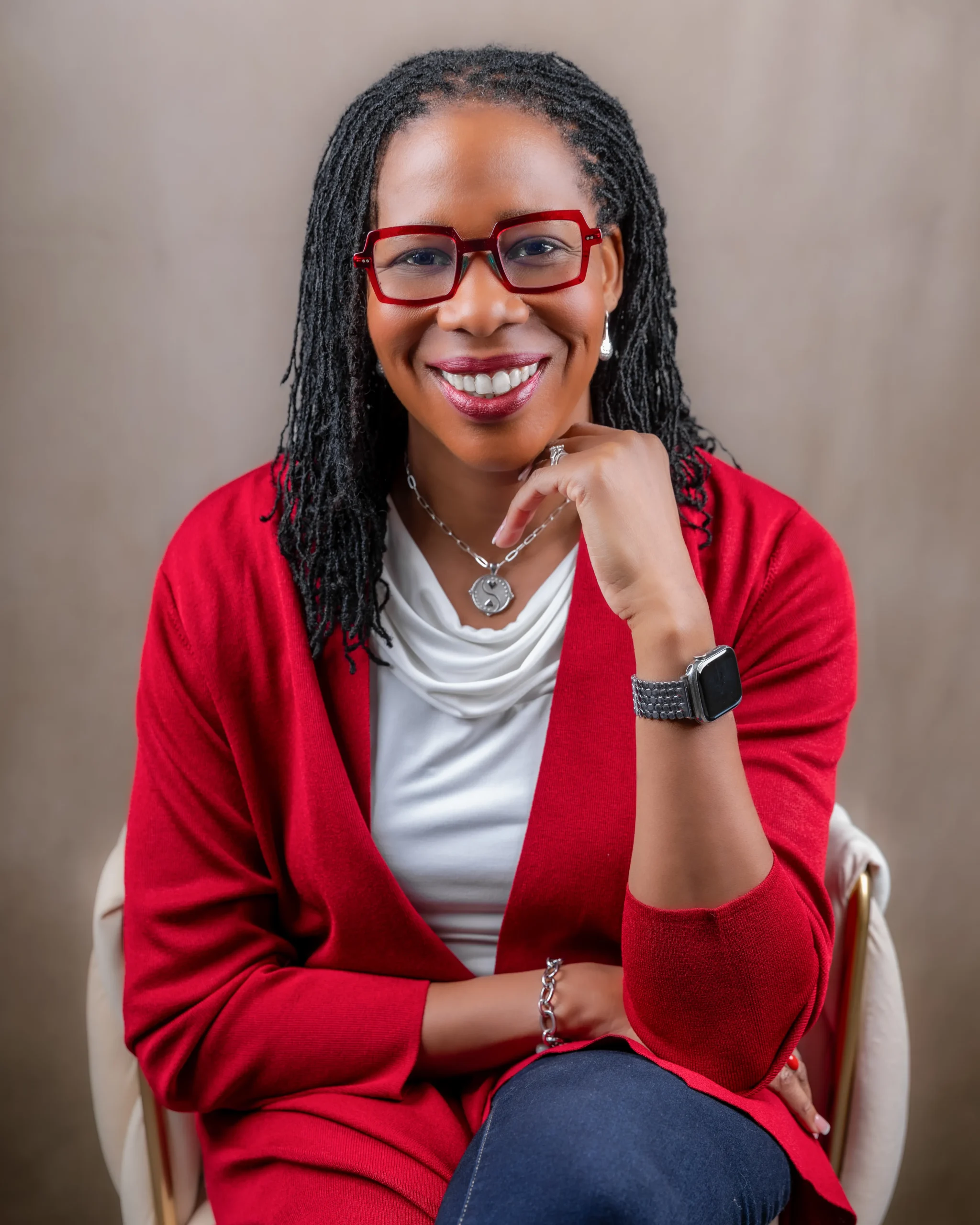
Travel offers an opportunity to experience different cultures, perspectives, and ways of seeing the world. Exploring new places by bicycle has been particularly meaningful because it encourages both reflection and connection. Travel reinforces my belief that innovation often begins when we step beyond familiar assumptions and remain open to what we can learn from others.

The future of higher education will be shaped by leaders willing to challenge assumptions, embrace innovation, and create new pathways to opportunity. These ideas represent the areas where I believe institutions can have the greatest impact in the years ahead.
Reimagining community colleges as adaptive engines of opportunity, innovation, and community transformation.
Building institutions that are innovative, student-centered, and prepared for a rapidly changing world.
Higher education is entering a period of profound transformation driven by demographic shifts, technological innovation, workforce disruption, and evolving public expectations. I believe institutions must embrace change while remaining grounded in their core purpose: developing informed, capable, and engaged citizens. The future of higher education requires leaders who can balance innovation with integrity, leverage technology thoughtfully, and create learning environments that are flexible, relevant, and accessible. The institutions that thrive will be those willing to rethink traditional assumptions while preserving the transformative power of education.
Expanding pathways that connect education, workforce success, and community prosperity.
Education remains one of the most powerful tools for advancing economic mobility and strengthening communities. I envision colleges serving as catalysts for opportunity by creating clear pathways to high-wage, high-demand careers, supporting lifelong learning, and responding to regional workforce needs. Through partnerships with employers, community organizations, and educational institutions, colleges can help individuals build meaningful futures while contributing to broader economic growth. When students succeed, families thrive, employers prosper, and communities become stronger.
Dr. Chae E. Sweet is Vice President for Academic and Student Affairs and Provost at Montgomery County Community College, where she serves as Chief Academic Officer and a member of the President’s Senior Leadership Team. With more than 25 years of experience spanning faculty, academic leadership, and executive administration, she has built a career focused on strengthening institutions, expanding opportunity, and improving student outcomes.
Known for her ability to translate vision into action, Dr. Sweet has led initiatives that advance student success, workforce development, academic innovation, and institutional effectiveness. Her work centers on building systems that not only expand access to higher education but also improve completion, transfer, and career attainment. Throughout her career, she has championed the role of community colleges as engines of economic mobility and community transformation.
Prior to joining Montgomery County Community College, Dr. Sweet served as Dean of Liberal Studies at Community College of Philadelphia and Associate Dean at Passaic County Community College. She began her career as a professor of English, an experience that continues to shape her commitment to teaching, learning, critical inquiry, and student-centered leadership.
A first-generation college student, Dr. Sweet brings both personal and professional passion to expanding educational opportunity. She is the creator of the 4-P Leadership Model—Purpose, Passion, Partnership, and Possibility—a framework for leadership and institutional transformation. In addition to her college leadership, she serves on the Executive Committee of the Board of Directors for the Chamber of Commerce for Greater Montgomery County, strengthening connections between education, workforce development, and regional economic growth.