
The 4-P Leadership Model is a practical framework for helping individuals and institutions achieve their fullest potential. Grounded in Purpose, Passion, Partnership, and Possibility, the model connects vision to action and values to outcomes. It was developed through years of leading organizational change, strengthening student success pathways, building community partnerships, and advancing institutional innovation. At its core, the model is designed to create the conditions for institutional transformation, student success, and community impact. By fostering innovation, workforce alignment, leadership development, and opportunity, the 4-P Leadership Model helps organizations move beyond maintaining the status quo to creating a future defined by growth, relevance, and meaningful impact.

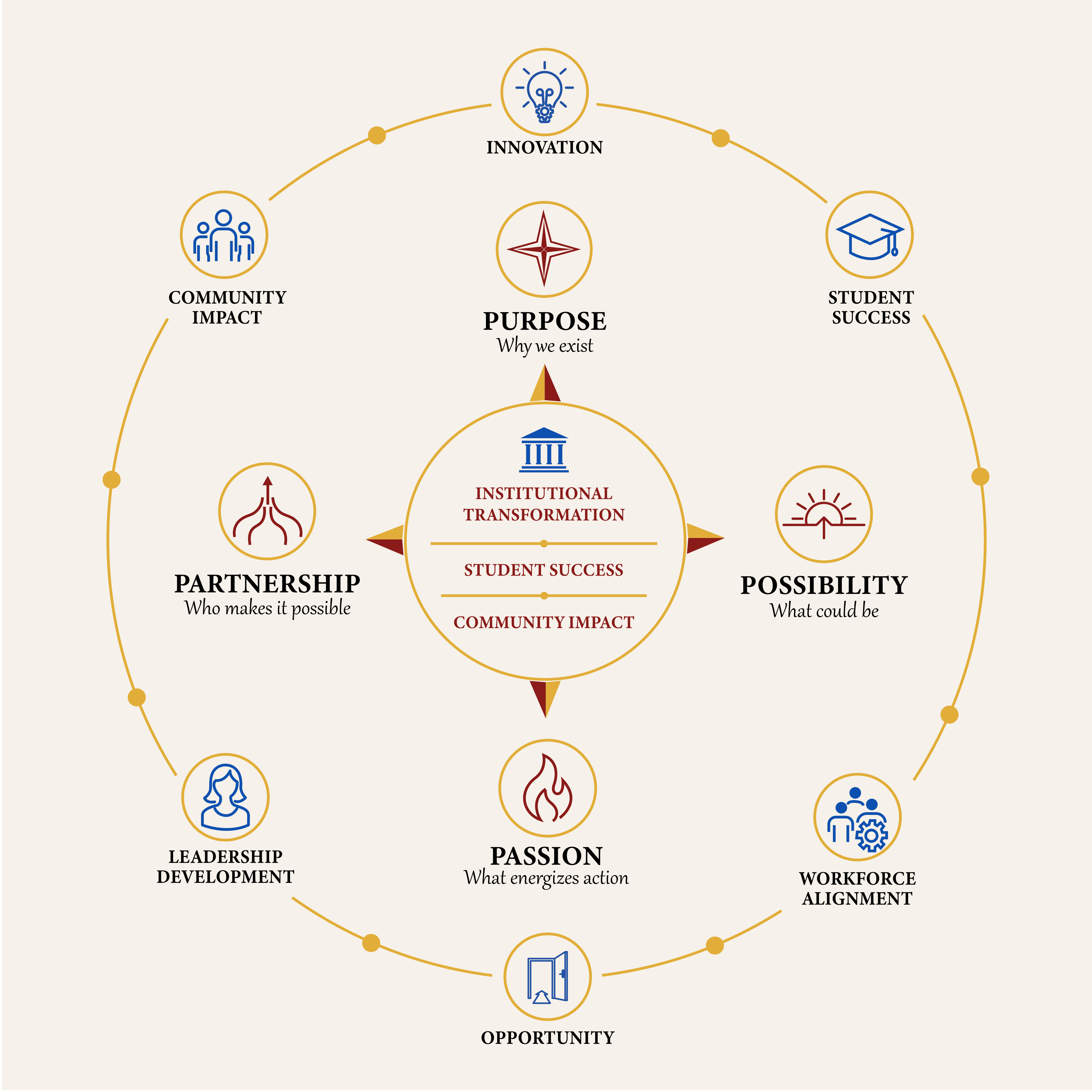
At its center, the model is designed to create the conditions for institutional transformation, student success, and community impact. The four principles work together to align mission, people, and strategy in service of meaningful and lasting change.
My leadership journey began long before I held a formal leadership title. Early in my career, I was invited to lead a creative writing workshop for high school students in New York City. That experience revealed two enduring truths: people are capable of far more than they often realize, and education transforms lives when opportunity is paired with support and belief.
As an English professor, I spent years helping students find their voice. Teaching writing is ultimately about helping people think critically, communicate clearly, and discover their own potential. Over time, I realized leadership is much the same. Both are about creating the conditions for growth.
As my career progressed from faculty member to associate dean, dean, and ultimately provost and chief academic officer, my focus expanded from individual student success to the systems that make success possible at scale. One question began to shape my work:
That question became the foundation for everything that followed.
Across institutions and leadership roles, I led initiatives that redesigned developmental education, strengthened student success pathways, aligned academic programs with workforce needs, expanded community partnerships, and advanced institutional transformation. Although every challenge was different, the most successful initiatives consistently reflected four interconnected principles:
Over time, these principles evolved into what is now the 4-P Leadership Model.
Higher education stands at an important moment. Institutions cannot simply preserve existing systems; they must continually adapt to meet the changing needs of students, employers, and communities. I believe that transformation begins with Purpose, is sustained by Passion, grows through Partnership, and is inspired by Possibility.
The 4-P Leadership Model reflects both my leadership philosophy and my approach to helping organizations fulfill their mission while creating greater opportunity, impact, and success for the people they serve.

Purpose provides direction, clarity, and alignment. It answers the fundamental question: Why does this work matter? In higher education and beyond, purpose extends beyond goals, metrics, or compliance requirements. It focuses leaders and organizations on the people they serve, the impact they seek to create, and the values that guide their decisions.
Purpose helps leaders align priorities, resources, and decision-making around a shared mission. During periods of uncertainty or change, it serves as a compass that keeps organizations focused on meaningful outcomes rather than competing demands. When purpose is clear, individuals and teams can connect their daily work to a larger vision and collective impact.


Partnership encourages leaders to build relationships across departments, organizations, industries, and communities. By fostering collaboration and shared responsibility, leaders create the trust and engagement necessary to sustain change and achieve ambitious goals. Strong partnerships help organizations leverage diverse perspectives, align resources, and create solutions that no single individual or group could accomplish independently.

Possibility is the discipline of imagining a future that is better than the present and having the courage to pursue it. It challenges assumptions, expands thinking, and invites innovation. Possibility is rooted in optimism, but grounded in evidence, strategy, and a commitment to continuous improvement.
Possibility encourages leaders to look beyond existing constraints and envision new opportunities for growth, impact, and transformation. It supports innovation by creating space for experimentation, learning, and creative problem-solving. When leaders embrace possibility, they help organizations adapt to changing conditions, anticipate emerging needs, and position themselves to thrive in an increasingly complex world.
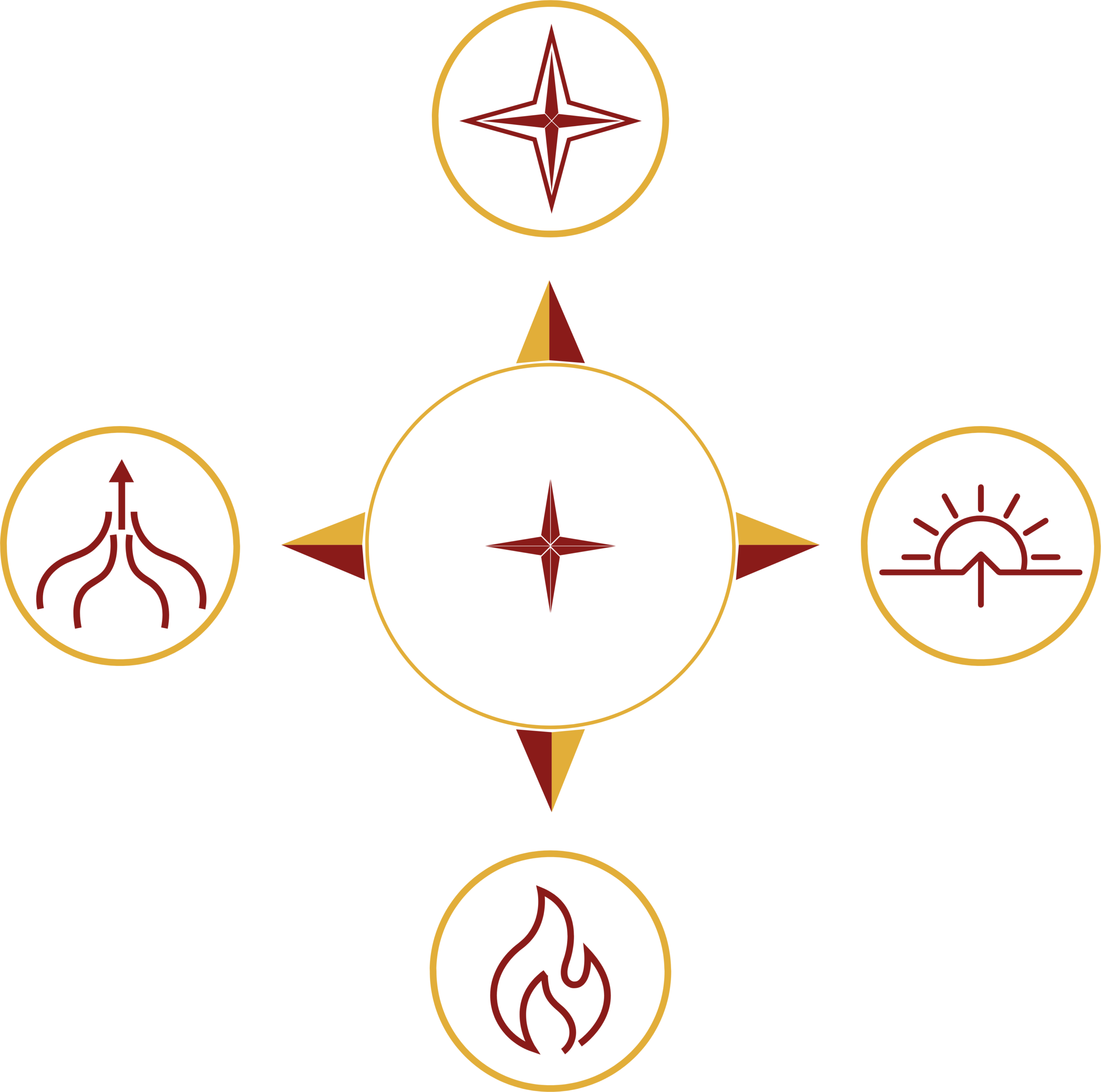
The 4-P Leadership Model is more than a philosophy; it is a practical framework for guiding decision-making, building partnerships, and leading institutional change. The examples below illustrate how Purpose, Passion, Partnership, and Possibility have informed efforts to strengthen student success, align education with workforce needs, and advance institutional transformation.
At both Passaic County Community College and the Community College of Philadelphia, developmental education reform was driven by a simple purpose: remove barriers that prevent students from reaching their goals.
Traditional developmental pathways often delayed student progress and reduced momentum toward completion. Through curriculum redesign, accelerated learning models, strengthened support services, and cross-functional collaboration, these initiatives helped students move more efficiently into college-level coursework and improved opportunities for academic success.
This work reflected all four dimensions of the model: a clear purpose focused on student achievement, the passion required to challenge long-standing assumptions, partnerships among faculty and student support professionals, and the possibility of creating new pathways that better served students.

At Montgomery County Community College, workforce development efforts have focused on creating responsive educational pathways that address regional workforce needs while expanding opportunity for students.
One example is the development of the Sterile Processing Technician program, created in partnership with local healthcare providers, area high schools, and philanthropic organizations that provided scholarship support for participating students.
This collaborative model created a direct pathway from high school to workforce-ready credentials while helping healthcare employers address critical staffing needs. The initiative reflects the 4-P Leadership Model in action: a shared purpose centered on economic opportunity, the passion to develop innovative solutions, strong partnerships across education, philanthropy, and healthcare, and the possibility of reimagining how colleges connect students to meaningful careers.
As a member of the Aspen Institute’s Unlocking Opportunity Network, Montgomery County Community College has engaged in a comprehensive effort to redesign systems that support student success, transfer, and workforce outcomes.
The work challenges institutions to move beyond isolated initiatives and instead create integrated strategies that improve outcomes for students, particularly those historically underserved by higher education.
The 4-P Leadership Model has provided a lens for approaching this transformation. Purpose keeps the work centered on student success and economic mobility. Passion sustains momentum through the complexity of organizational change. Partnership brings together faculty, staff, administrators, and external stakeholders around shared goals. Possibility encourages the institution to rethink traditional structures and create new approaches that expand opportunity and improve outcomes at scale.
Together, these efforts demonstrate how the 4-P Leadership Model can help institutions move from aspiration to action—creating lasting impact for students, communities, and the organizations that serve them.